
Why Minor Trouble Signals Should Never Be Ignored
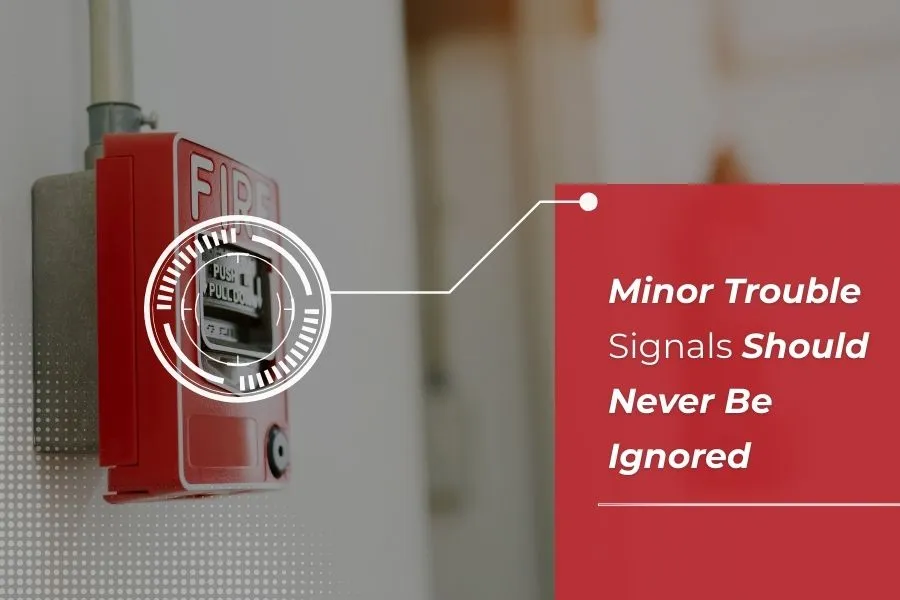
As an ACS Fire & Security customer, your fire alarm system is designed to communicate when something requires attention. Not every signal indicates an emergency, but each one reflects a change in operating conditions that should be reviewed. Trouble conditions are early indicators that the system needs service.
A communication fault, low battery alert, or intermittent device error may not interrupt your operations. The panel may remain powered and appear stable. Over time, however, unresolved signals can affect reliability and create unnecessary risk.
What Trouble Conditions Really Mean
Fire alarm systems operate continuously in active commercial environments. Environmental factors, equipment aging, and infrastructure changes can all influence performance. When a panel registers a trouble condition, it is identifying a deviation from its normal parameters.
That deviation may involve a device losing sensitivity, a circuit experiencing irregular resistance, or a communication pathway becoming unstable. While these issues often begin subtly, they rarely resolve on their own. Left unaddressed, they can develop into disabled devices, inspection findings, or broader system impairments.
Addressing conditions when they first appear protects the stability of the entire system.
If your panel is displaying a trouble signal or you would like assistance reviewing system status, call (407) 270-2749 or schedule your free consultation here.
Monitoring Identifies, Service Resolves
ACS monitors your system continuously and follows established response procedures when signals are received. Monitoring ensures awareness, but corrective action is what restores full system integrity.
When service is delayed, repeat alerts and extended impairments become more likely. Coordinating repair promptly limits disruption and reduces the potential for more extensive issues. In many cases, once approved, deficiencies can be corrected during the same visit, which minimizes repeat scheduling and keeps systems stable. Timely service maintains both compliance and operational confidence.
Inspection Readiness and Documentation
Trouble history does not disappear. During inspections, system condition and maintenance records are reviewed carefully. Open or unresolved issues raise questions about system oversight and can complicate inspection outcomes.
Quarterly inspections provide an opportunity to evaluate panel history, confirm that previous conditions were corrected properly, and verify overall system performance under operating conditions. Clear documentation supports predictable inspections and demonstrates disciplined maintenance.
Consistent follow-through protects not only compliance, but it also enhances business continuity.
Long-Term Performance Requires Consistency
A commercial fire alarm system represents a long-term investment. Panels, initiating devices, and notification appliances depend on routine oversight to maintain dependable operation.
We proactively schedule inspections and coordinate service to prevent small issues from becoming larger failures. When upgrades or replacements are eventually required, they can be planned methodically rather than driven by unexpected breakdowns.
This structured approach preserves reliability and stabilizes long-term costs.
Local Oversight That Stays Involved
As an ACS customer, you are supported by a local service team based in Winter Park and serving Orlando and the surrounding Central Florida region. With one of the lowest technician-to-customer ratios in the area, response times are faster and coordination is more direct.
For more than 20 years, ACS has protected local businesses and continues to serve its very first monitored customer. That longevity reflects consistent service and accountability, not one-time installation work.
Trouble signals are not inconveniences. They are early warnings that allow issues to be corrected before they affect performance.
Call (407) 270-2749 or schedule your free consultation to review your system status and ensure your service plan remains aligned with your operational needs.

- When the Line Is Full and the Tickets Are Stacked, Your Fire System Still Has to Perform - March 13, 2026
- Retail Moves Fast. Your Fire and Security Strategy Should Too. - March 13, 2026
- Why Minor Trouble Signals Should Never Be Ignored - March 13, 2026